

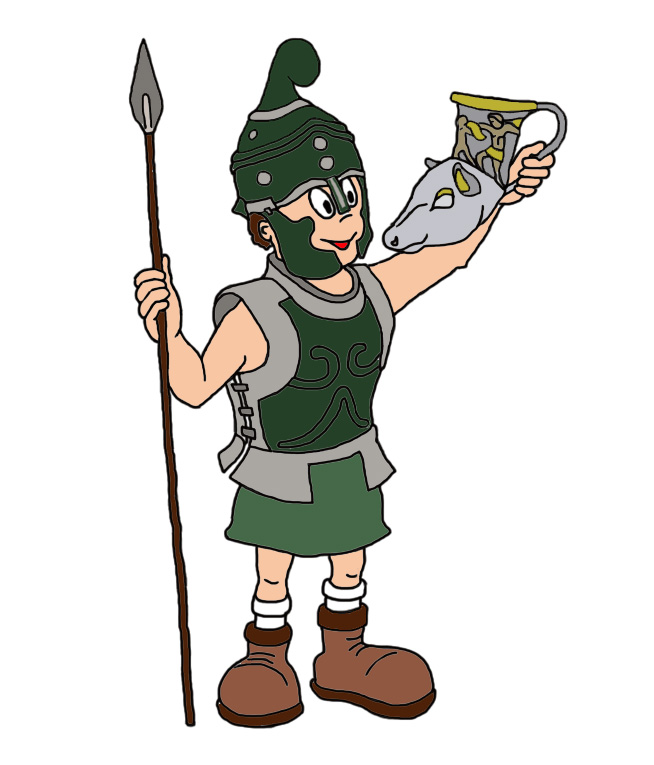

Belief in Immortality
Thracian history and culture are closely connected with the secret teaching of Orphism—sacred knowledge passed down orally among the Thracian aristocrats. This knowledge ensured both the balance and renewal of the world and power over the rest of the population. The Orphics believed in immortality. In their beliefs, the Great Mother Goddess stands at the foundation of everything. From her, the Sun God (Orpheus) emerges, and from their sacred union, a son is born—the earthly Thracian king. After passing through trials and performing glorious feats, he receives from the Great Mother Goddess the right to rule over the people. After his death, he returns to the depths of the earth to become the Sun God once again.
Only Thracian rulers and aristocrats could achieve perfection and immortality. They were sent to the afterlife as gods, and their people erected impressive burial mounds and monumental tombs for their bodies. In these tombs, they were laid to rest with magnificent jewelry and clothing, ceremonial weapons, rich grave goods, horses, and chariots. The idea of immortality is also embedded in the aristocratic teaching about the god Zalmoxis, venerated by the Thracian tribe of the Getae. Herodotus, the father of history, tells us that the Getae "believe that they do not die, but that the deceased goes to the god Zalmoxis." He further notes that "neither he himself, nor his table companions, nor their descendants will ever die, but will go to such a place where they will live forever and have all good things."